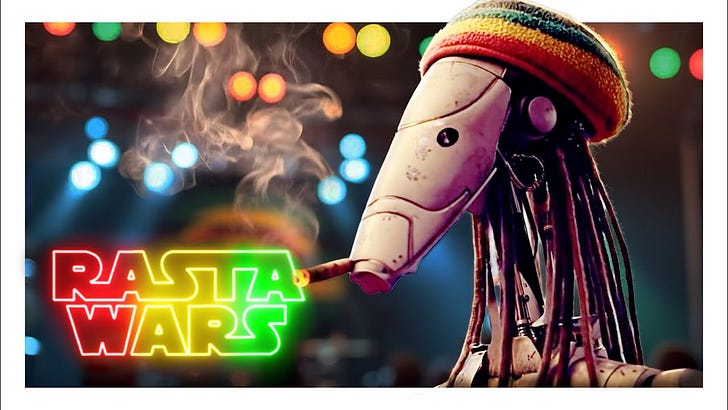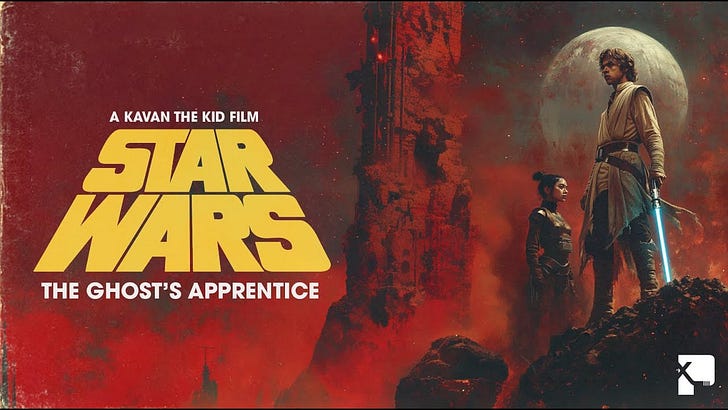
This morning Disney and OpenAI announced a surprise three-year licensing agreement: Disney will license 200+ characters to OpenAI’s Sora platform, invest $1 billion and become a “major customer” of OpenAI’s APIs “to build new products, tools, and experiences”. The deal solves Disney’s immediate problem—embracing generative AI on the leading platform while maintaining IP control through licensing terms.
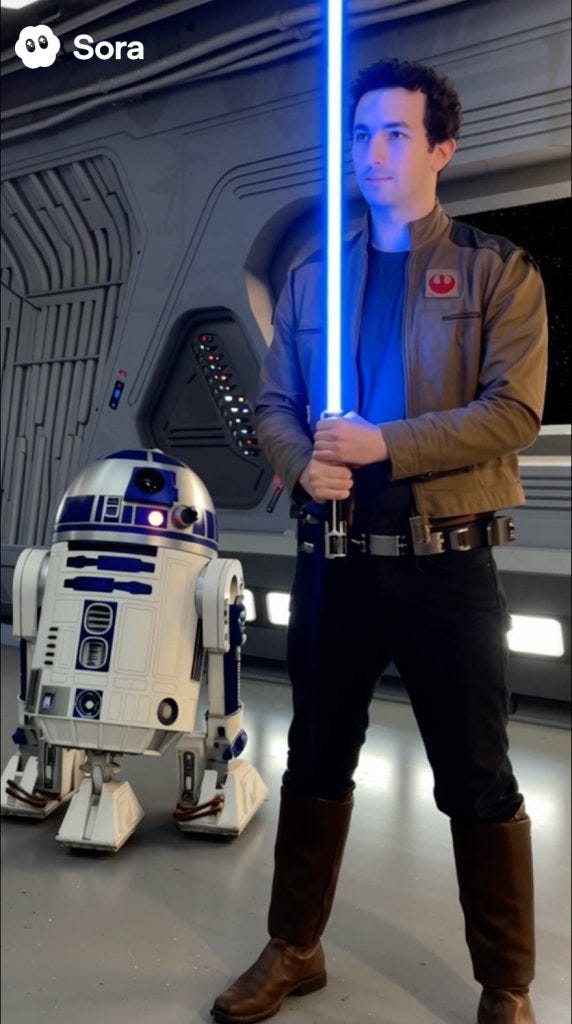
The New York Times described the deal as “a watershed moment for Hollywood and artificial intelligence.” In one sense it absolutely is: Disney is handing the keys to its valuable library of IP over to a generative AI platform. However, the deal solves short-term positioning without addressing the structural problem: how Disney protects its IP as generative AI capabilities accelerate.
Disney’s licensing terms impose strict conditions on character usage, but these restrictions only apply to Sora—creators using open source or niche tools to generate pirated Disney content face no such limitations.
Nor is the $1 billion investment significant for either party—it represents less than 1% of Disney’s nearly $200 billion market cap and roughly 0.2% of OpenAI’s reported $500 billion valuation.
To be clear, this does not reflect a poor strategy—this was a necessary move for both Disney and OpenAI. But nothing about this deal enables Disney to monitor its IP beyond Sora or in the cloud.