[Author’s Note: There will be only two mailings this week as my schedule has been busier than normal.]
March 2, 2026 was a big day for the future of intellectual property. It may be the history major in me, but it marks one of those days of unusual coincidence.
First, the Supreme Court declined to hear Thaler v. Perlmutter—the only case on generative AI and copyright in its docket. The Court had already rejected Thaler previously. He wants to register a copyright for an artwork listing DABUS—an AI system he designed—as its author.
Thaler was testing whether human authorship was a necessary condition for a copyright to be issued. The U.S. Copyright Office wrote in 2023 that when authors use AI in the creative process, “what matters is the extent to which the human had creative control over the work’s expression and ‘actually formed’ the traditional elements of authorship.”
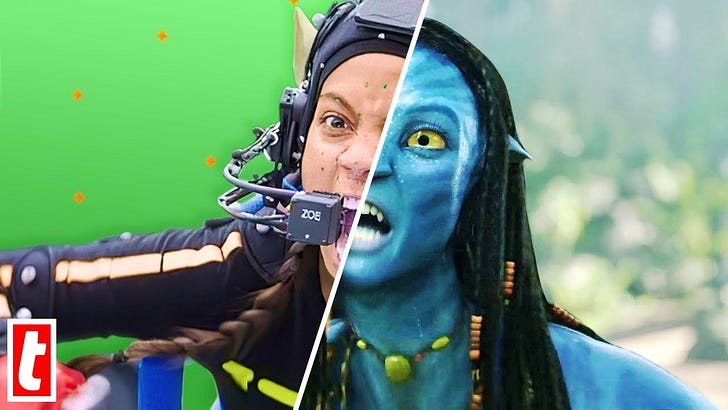
The ruling is a mixed result for those betting that a “Cambrian explosion of creativity, weirdness, new media, and new forms of expression and art” is “just around the corner.” Human authorship remains a necessary condition to register a copyright. But outside of motion capture and 3D imaging, other categories where copyright can be registered after using AI platforms are still being tested. The Supreme Court sees no need to rush into this market and establish the clarity that creators will need to monetize their work.
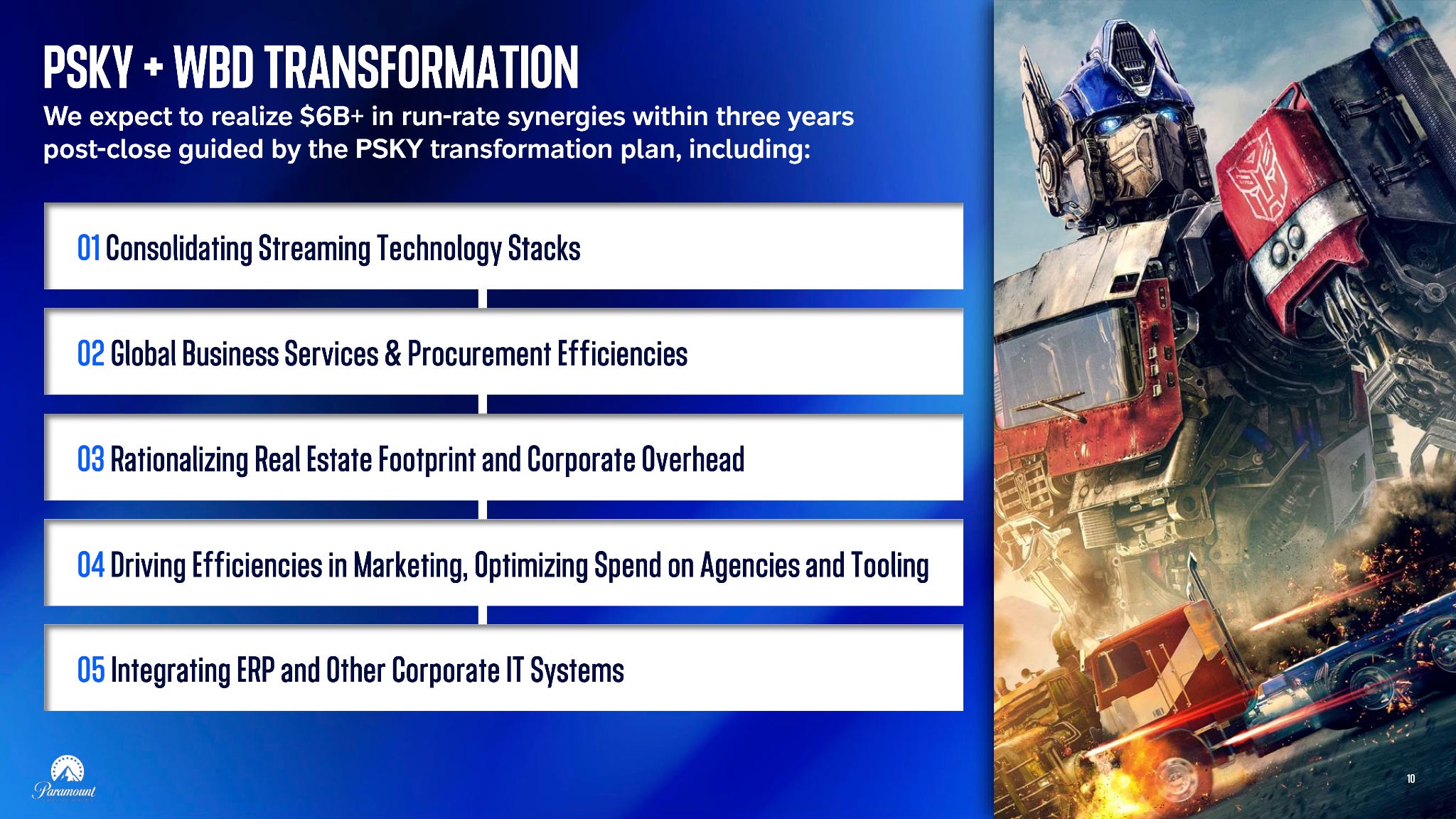
Second, Paramount management spoke to investors about its acquisition of Warner Brothers Discovery. “Consolidating Streaming Technology Stacks” was listed as the first objective for corporate synergies in its investor presentation.