Misalignment is the most important dynamic to focus on in the rapidly emerging generative AI marketplace. A company misidentifies or fails to optimize for what the market moment requires. The decision seems rational on its own terms—and in the sales pitch from a management team—but is pointed at the wrong objective.
My go-to example of misalignment from the last six years has been the lack of direct-to-consumer, e-commerce and computer science skillsets in the C-suite. Each instance has undermined their expensive bets on streaming. Disney’s multiple failed bets on digital media over the past two decades are frequent examples. Another is Warner Bros. Discovery’s Q3 2023 earnings call, where management promised growth from gaming and streaming and Wall Street analysts responded by asking whether management’s TV skillsets could deliver on those promises.
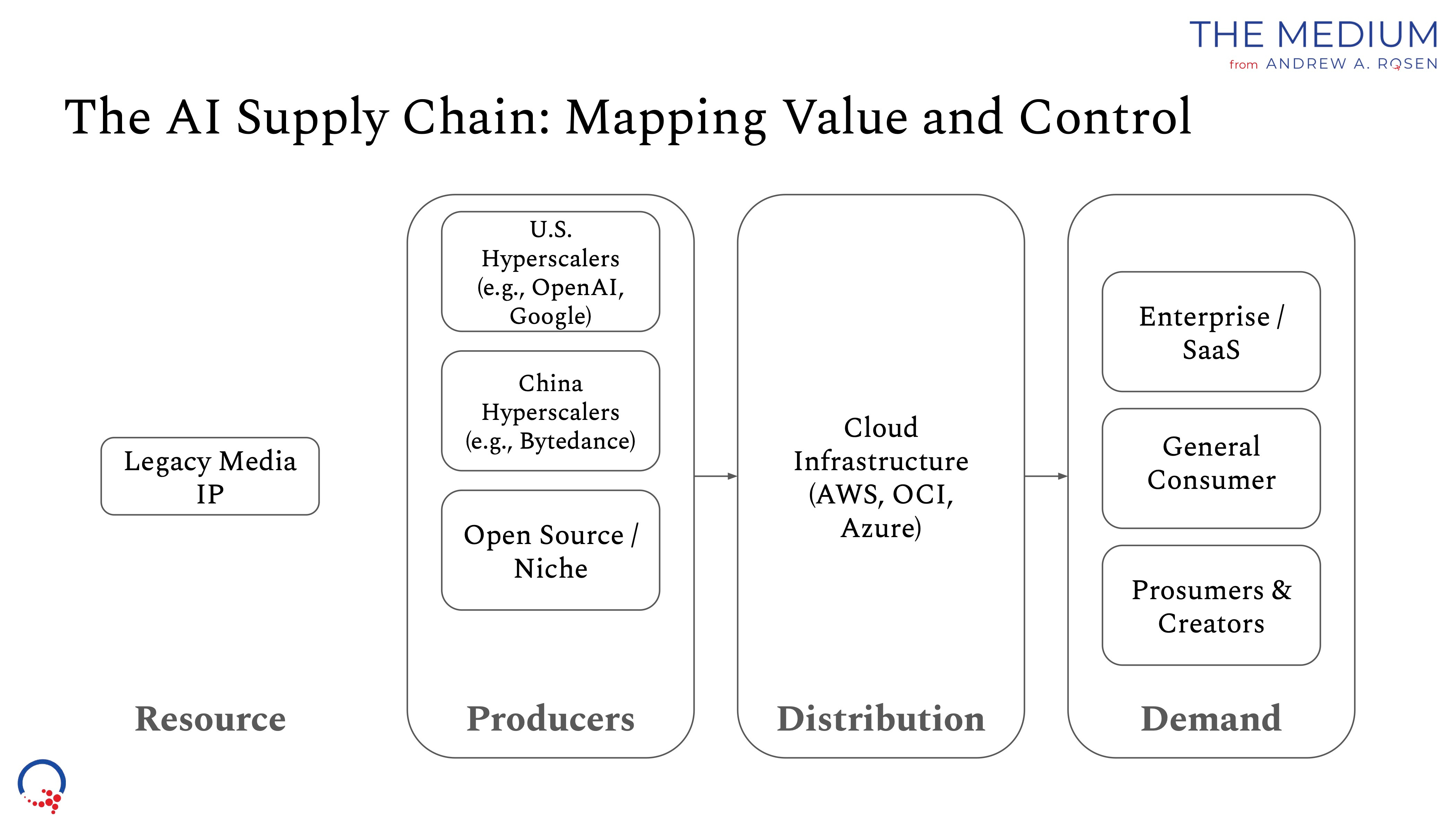
Generative AI is rapidly creating new misalignments. I am using the global beer market as an analogy for identifying and explaining these various misalignments because the emerging AI content marketplace has the same basic structure:
Oligopolies (AB InBev, Heineken) = Hyperscalers (OpenAI, Google) with large foundational models
Craft breweries = Open-source / Niche AI model makers
Distributors = Cloud platforms
Homebrewers and enthusiasts = Prosumers and creators
The beer industry solved its coordination problems nearly 100 years ago through established regulations, industry associations and standard insurance products. The AI content market is emerging with few clear guidelines from intellectual property law, and that problem differs depending on which country you are in.
AI content deals and strategic decision-making are slow and uncertain without those guidelines. It is not just executives at companies like Disney who struggle to optimize for what the market moment requires—and this week’s sudden and spectacular failure of its bet on OpenAI was misalignment in its purest form.
Here are three versions of misalignment I have highlighted, each reframed to pinpoint where the misalignment exists.